

In B2B sales, a “cold lead” is often defined as a prospect who showed initial interest but stopped engaging. For Swiss companies, this is a common challenge, especially due to longer sales cycles, multiple decision-makers, and strong expectations around trust and relevance. In reality, the performance is not about how many leads you generate. It is about how well you manage them. When dashboards unify leads, quotes, emails, contracts, and sales data, companies gain visibility into what’s really happening inside the funnel. That’s where the difference between cold leads and closed deals begins.
What It Really Means When a Lead “Goes Cold”
Many assume a cold lead is a lost lead. But that’s a myth. Most cold leads are simply not ready yet. Disengagement often happens due to timing, unclear value, lack of authority, budget cycles, or internal hesitation. In Switzerland’s B2B landscape, buyers tend to research deeply, seek consensus internally, and prefer low-risk vendor decisions.
Core Reasons Leads Go Cold in Modern B2B Sales
Leads rarely disappear for no reason. In most cases, there are clear patterns behind why interest fades. In Switzerland’s relationship-driven and detail-oriented business environment, these issues can have an even stronger impact.
1) Slow or Generic Follow-Up
Speed matters but relevance matters even more. When a potential client fills out a form, requests a quote, or replies to an email, their interest is at its highest point. If they wait days for a response, the momentum is lost. And if the reply feels copied and pasted, it sends the wrong message.
In Swiss business culture, professionalism, precision, and reliability are highly valued. A slow or impersonal follow-up can signal:
- Disorganisation
- Lack of attention to detail
- Low commitment to the relationship
Even if your product is strong, a weak first response can quietly damage trust. What works better: Respond quickly with a personalized message that refers directly to the company’s industry, request, or specific situation.
2) Misalignment Between Messaging and Buyer Needs
One of the most common mistakes in B2B sales is pitching too soon. Sending pricing, proposals, or demo links before understanding the client’s real challenges can feel rushed and transactional. Swiss companies, in particular, tend to prioritise long-term partnerships over quick decisions. They want to feel confident that a solution truly fits their processes and standards.
If your messaging focuses on features instead of solving their specific problems, the lead may be lost. What works better: Ask questions first. Understand their pain points, goals, and decision process. Then tailor your message around value and long-term fit, not just price.
3) Leads Were Never Fully Qualified
Not every lead is ready to buy. A high number of leads can look impressive on a dashboard, but volume does not equal quality. Some leads are:
- Just researching
- Comparing vendors for future planning
- Downloading content without real buying intent
- Outside your ideal customer profile
Without proper qualification, sales teams spend time chasing contacts who were never serious prospects. What works better: Track behavioural signals such as email engagement, quote requests, repeat visits, or specific product inquiries. Use this data to prioritise leads who show real buying intent.
4) Poor Sales-Marketing Alignment
When marketing and sales are not aligned, leads feel the disconnect.
For example:
- Marketing promises one thing, sales presents another.
- A prospect receives conflicting information.
- Sales does not know what content the lead has already seen.
In Switzerland, where clarity and consistency build credibility, mixed messaging can quickly reduce confidence. Trust is essential in Swiss B2B relationships, and inconsistency weakens it. What works better: Ensure both teams share the same data, messaging, and goals. A unified dashboard that tracks leads, emails, offers, and contracts helps maintain consistency throughout the entire customer journey.
5) Lack of Multi-Channel Engagement
Many companies rely almost entirely on email. But email alone is rarely enough. Swiss B2B buyers are independent and research-oriented. Before responding, they often:
- Visit your website
- Check your LinkedIn profile
- Review case studies
- Compare competitors
If your outreach only exists in one channel, you miss opportunities to reinforce credibility and stay visible. What works better: Use a combination of:
- Personalised emails
- LinkedIn engagement
- Targeted follow-ups
- Helpful content (case studies, insights, whitepapers)
The goal is to stay present and relevant across multiple touchpoints.
Swiss Market Dynamics That Intensify Lead Cooling

In Switzerland, leads often go cold faster because of how companies make buying decisions:
- More people are involved: Decisions usually require approval from several stakeholders, which takes more time.
- Buyers are cautious: Swiss businesses prefer to evaluate vendors carefully before committing.
- Expertise is expected: Generic sales messages don’t work well because companies want clear knowledge and specific value.
Because the sales process is slower, leads can easily lose interest without regular and meaningful follow-up.
How to Diagnose Where Leads Really Go Cold
To prevent leads from going cold, you first need to understand where and why interest starts to fade. This requires full visibility across your sales funnel, not just at the first contact stage.
A connected dashboard makes it easier to spot drop-off points early, before opportunities disappear.
Leads: Focus on Quality, Not Just Quantity
Not all leads are created equal. A growing contact list may look promising, but the real question is: Are these leads actually interested? Track behavioural signals such as:
- Repeat website visits
- Engagement with emails
- Requests for quotes or meetings
- Specific product or service inquiries
This helps separate casual researchers from serious prospects.
Offers & Quotes: Watch the Response Gap
Proposals are often the point where deals stall. If a lead receives a quote but takes weeks to respond, the situation may indicate the following:
- Internal hesitation
- Budget concerns
- Competing priorities
- Unclear value in the proposal
In Switzerland, where decisions are often made carefully and collectively, delays are common, but they still need attention.Tracking response times helps you know when to follow up strategically.
Mail Tracker: Measure Real Engagement
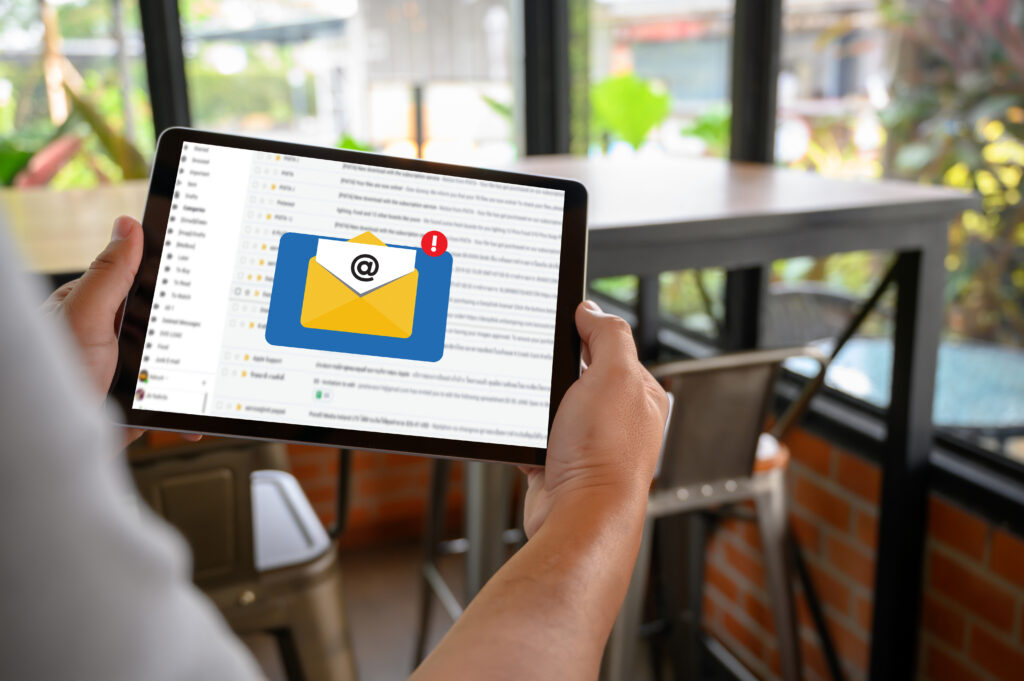
Email is still one of the main communication channels in Swiss B2B sales, but silence is data. Low open or click rates may signal:
- The message wasn’t relevant
- The timing was wrong
- The subject line didn’t connect
- The lead is no longer engaged
Mail tracking helps you adjust your approach instead of guessing.
Contracts & Sales: Identify the Final Drop-Off
Many leads stay active until the last stage, then suddenly disappear. Momentum often drops:
- After a proposal is sent
- During contract review
- When multiple stakeholders get involved
- When the buyer becomes risk-aware
Swiss companies tend to be thorough and cautious before signing agreements, so this stage requires consistent reassurance and clarity. Analysing where deals stall helps you strengthen the final steps of your sales process.
Proven Strategies to Prevent Leads from Going Cold

- Prioritise Timely, Valuable Follow-Ups: Short, meaningful touchpoints maintain engagement.
- Personalise Messaging: Align communication with industry, role, and known priorities.
- Segment and Score Leads: Identify who is ready now versus who needs nurturing.
- Use Multi-Channel Engagement: Combine LinkedIn outreach, email, calls, and relevant content.
- Align Sales & Marketing: Shared metrics and unified CRM data reduce confusion and missed opportunities.
- Educate Before Selling: Swiss buyers value insight. The case studies, whitepapers, and ROI models build confidence.
Turning “Cold” into “Warm”
Cold leads can often be reactivated, especially when your outreach stays relevant.
- Use data to run smart re-engagement campaigns.
- Follow up at the right time, such as during budget or planning periods.
- Share content that matches what the lead showed interest in before.
Tracking engagement helps you send messages that feel useful and personal.
Conclusion:
Leads go cold for clear reasons: poor timing, unclear value, weak follow-up, or lack of nurturing. The solution is visibility. When businesses connect leads, quotes, emails, contracts, and sales in one dashboard, they can see where interest drops, and act quickly. Most cold leads are not gone forever. They are simply waiting for the right message, at the right time, from the right partner.
FAQs:
- 1. Why do B2B leads go cold in Switzerland?
Leads often go cold due to slow follow-ups, unclear messaging, or long internal decision processes. - 2. Are cold leads permanently lost?
No, most cold leads are simply not ready yet and can be reactivated with the right approach. - 3. How can Swiss companies prevent leads from cooling off?
By responding quickly, personalising communication, and using structured nurturing processes. - 4. Does poor qualification affect lead engagement?
Yes, unqualified leads often lack real intent and disengage early in the process. - 5. Can CRM tools help reduce cold leads?
Yes, CRM systems improve follow-ups, visibility, and alignment between sales and marketing.



 English
  German