
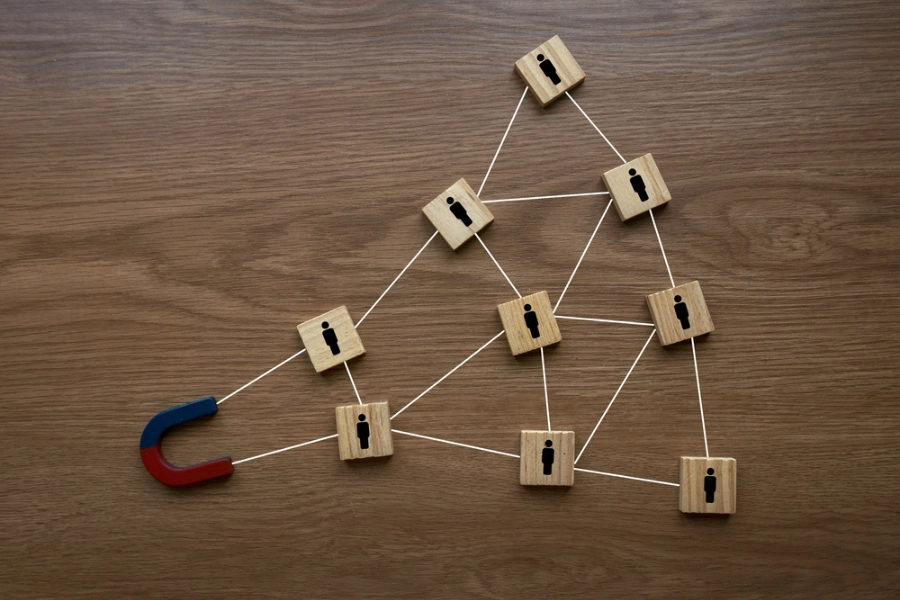
For many small and medium-sized businesses in Switzerland, finding new leads and keeping track of them is the harder part.
Most Swiss SMBs work in B2B markets where relationships matter. Deals take time, and trust is built slowly. At the same time, labor costs are high, which means there is little room for wasted effort. Sales and marketing are often handled by the same people who also manage projects, invoices, and client support.
A common daily picture looks like this: Leads arrive by email, website forms, phone calls, or referrals. Some are written down in Excel. Others stay in inboxes. A few are saved in different tools. Over time, it becomes unclear who contacted whom, what was promised, and what the next step should be.
A good CRM tool brings structure, transparency, and consistency to lead generation. But is a CRM truly the foundation for sustained growth in 2026? This guide shows how a CRM can accelerate growth and teamwork
What “Sustainable Lead Generation” Means for Swiss SMBs
For Swiss SMBs, sustainable lead generation is not about getting as many leads as possible. The focus is on steady and predictable results.
This usually means:
- Each lead is clearly assigned to someone
- Follow-ups happen on time
- Long sales cycles stay visible and well documented
Many small businesses lose leads when lead management and follow-up are inconsistent. When there is no structure, even good leads quietly disappear.
Work Without CRM: Why Leads Get Lost

Some details are kept in emails, others in spreadsheets, and some are written down as quick notes. Because there is no single system, information is spread out and difficult to track.
Over time, this causes problems.
- Follow-ups are missed because no one knows who should act next.
- Clients receive different messages from different people.
- Decisions are made based on gut feeling instead of clear information.
None of this happens on purpose. It happens because there is no dashboard that shows the full picture. But when you use a good CRM tool, everything is streamlined, and no lead is lost.
CRM as a Foundation: What a CRM can do?
A CRM does not create leads by itself. It does not replace marketing or sales skills. What it does is create structure.
A CRM helps by:
- Keeping all lead and client data in one place
- Showing and tracking clear stages of dealing
- Making handovers between marketing and sales visible
Diese Struktur sorgt dafür, dass die Lead-Generierung langfristig tragfähig bleibt. Sie verwandelt zufällige Bemühungen in einen wiederholbaren Prozess. Ein CRM ist keine Abkürzung, aber es bildet die solide Basis, um Leads effizient zu verwalten und erfolgreich abzuschliessen.
Why CRM implementation often fails in small businesses
Many CRM projects fail for very basic reasons. Small businesses often pick systems that are too complex for their daily work. Some try to set up advanced workflows from the first day, while others expect their team to enter large amounts of data by hand. Over time, this feels tiring, and people stop using the system.
In Switzerland, most small businesses do not have a dedicated person to manage a CRM. The owner or a small team handles everything. That means the system must be clear, quick to use, and helpful from day one. When a tool needs constant setup, adjustments, or extra care, it slowly gets ignored and ends up unused.
What Swiss SMBs Actually Want From a CRM
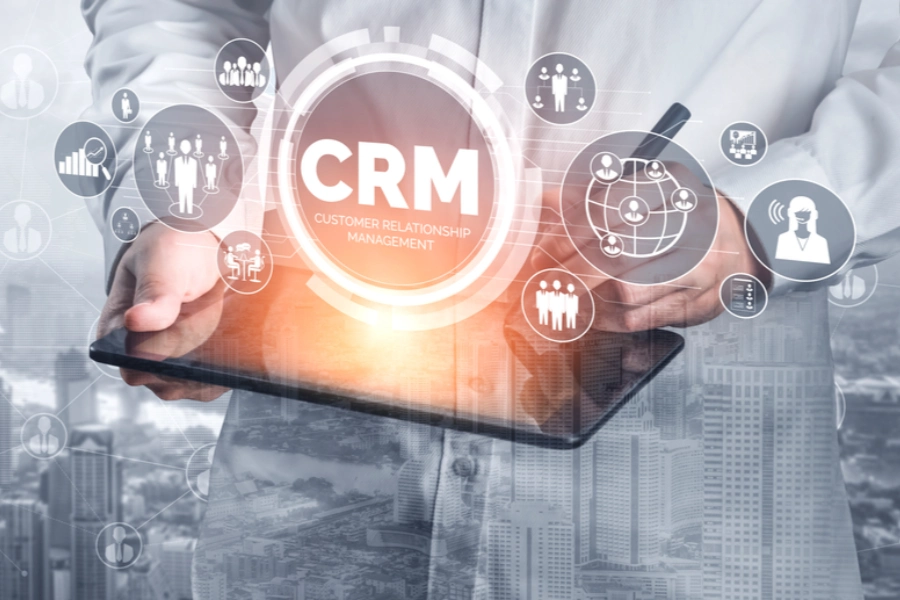
When small businesses talk about CRM systems, the same expectations come up again and again. The focus is not on advanced features or complex setups. The focus is on tools that support daily work without slowing it down.
Swiss SMBs usually look for:
- Simple workflows that are easy to understand
- Clear sales pipelines that show what is open and what is next
- Follow-ups that are easy to track and never forgotten
- Fair pricing without hidden limits or surprises
The most important point is not the number of features. The most important point is daily use. A CRM only helps when people actually open it and trust what they see.
All-in-One CRM System or Separate Tools?
There is no single right answer here. Some businesses prefer to connect several tools. Others prefer one system that covers sales and admin together.
A practical Swiss approach is to start small. First, centralize leads and deals. Later, expand step by step if needed. Moving too fast or locking into complex systems early often causes frustration.
This is where solutions like Büro-365 fit naturally, as they focus on clarity first and allow growth without pressure.
Automation and AI: Is It Helpful?
Automation makes sense when it saves time on repetitive tasks. Simple functions like automatic lead capture, email syncing, or follow-up reminders can make daily work easier. These small improvements reduce manual effort without changing how a business works.
AI tools can be helpful later, after work steps are clear and information is well organized. At the beginning, most small businesses do better with clear organization and simple views instead of advanced technology.
When information is organized and steps are simple, people feel more confident. Too many charts, reports, or options can be confusing and make decisions harder, not easier.
Do Swiss SMBs Need CRM Consultants?

Some Swiss small businesses find it helpful to get light support during the first setup of a CRM. Others prefer to explore the system on their own and adjust it step by step. Both approaches can work.
Problems usually start when a tool is recommended for the wrong reasons or when the setup becomes too complex for daily use. Good guidance keeps things simple. It focuses on how the business works today and how the CRM can support those existing routines.
So, Is CRM the Key to Sustainable Lead Generation?
A CRM alone is not the key. But without a CRM, sustainable lead generation becomes very difficult.
What really matters is:
- Simple processes
- Clear ownership
- Consistent use
For Swiss SMBs, a well-chosen CRM becomes the backbone that supports steady follow-ups, better conversions, and long-term relationships.
Conclusion
For Swiss SMBs, a well-chosen CRM becomes the backbone that supports steady follow-ups, better conversions, and long-term relationships.
A CRM should make work easier, not harder. When the right system is chosen and used every day, it keeps tasks organized and shows clearly what to do next. Teams stop relying on memory or scattered notes.
For Swiss small businesses, the formula is simple:
- One CRM system everyone uses to keep track of leads and clients
- One shared way of working, so follow-ups and tasks are clear for the team
- Small improvements made step by step using CRM to stay organized
Dieser Ansatz sorgt dafür, dass die Lead-Generierung stabil, zuverlässig und langfristig einfacher zu verwalten bleibt.
FAQ
1. What is a CRM, and why do Swiss SMBs need it?
A CRM is a system that keeps all leads, client information, emails, and sales steps in one place. It helps small businesses stay organized, follow up on time, and avoid lost opportunities.
2. Can a CRM really improve lead generation?
Yes. By keeping leads visible, tracking follow-ups, and showing where each deal stands, a CRM makes lead generation more consistent and reliable.
3. Do Swiss SMBs need complicated CRM tools?
No. Small businesses need simple, easy-to-use CRMs that match their daily workflow. Overly complex systems often slow teams down.
4. How should small businesses start using a CRM?
Start small. Track leads and follow-ups first, make sure everyone uses the system, and then gradually add features as needed.
5. Can a CRM replace sales and marketing efforts?
No. A CRM supports sales and marketing by organizing information and processes, but it does not create leads by itself. Consistent use and clear processes are key.



 English
  German